
![11+ Best AR-15 Rifles: The Ultimate AR-15 Buying Guide [2024]](/wp-content/uploads/2022/04/gettyimages-159073208-scaled.webp)
Click to enlarge
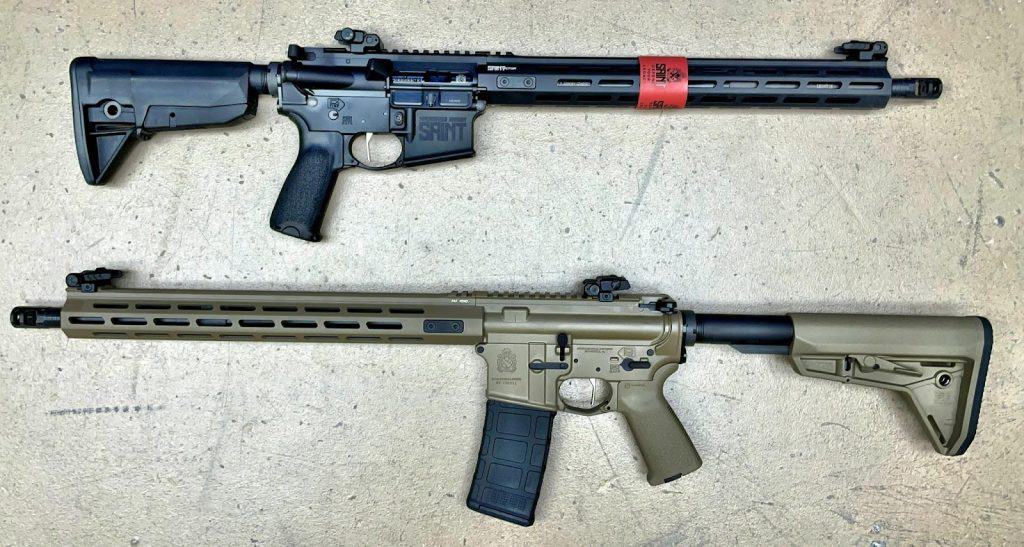
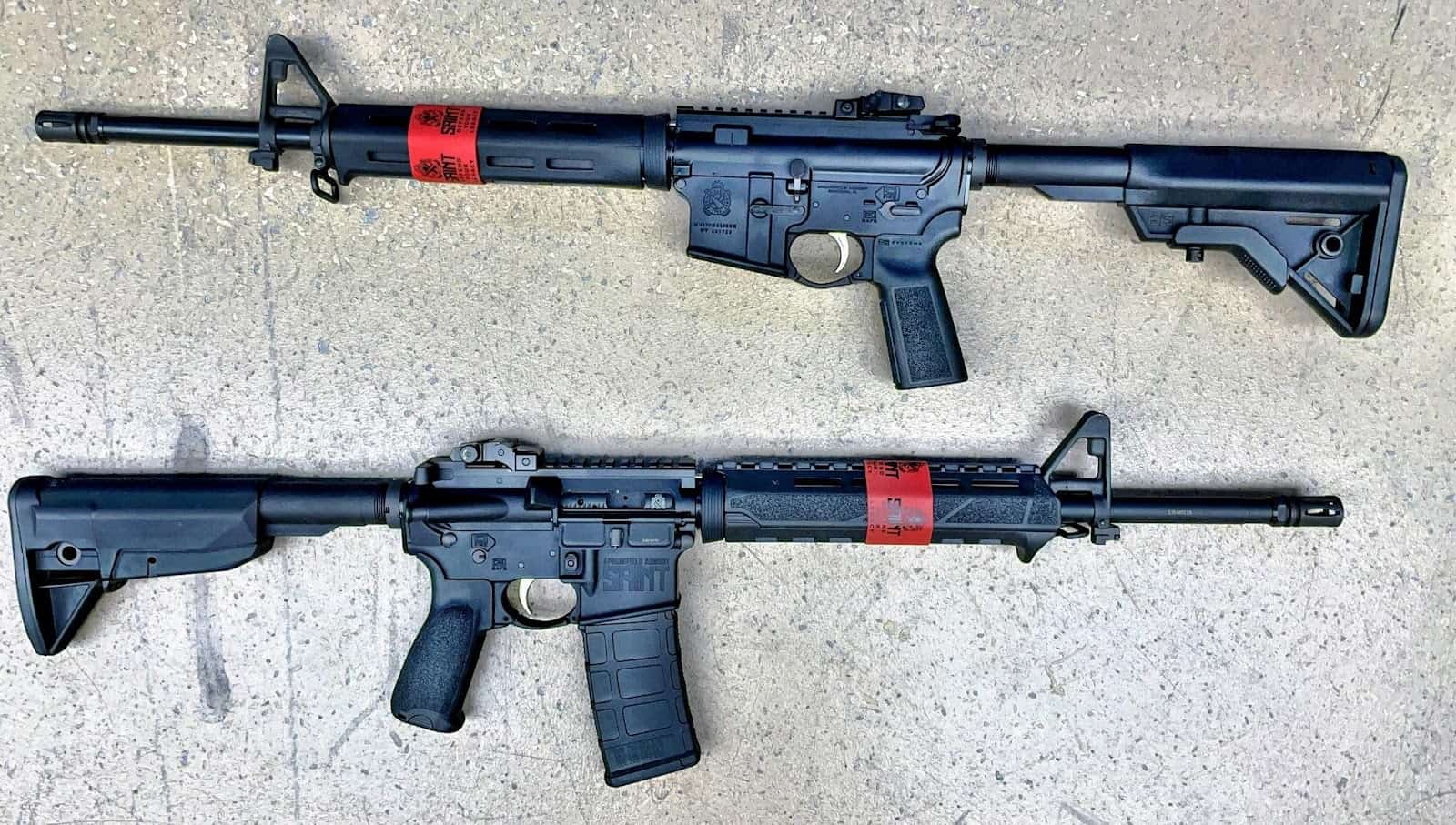
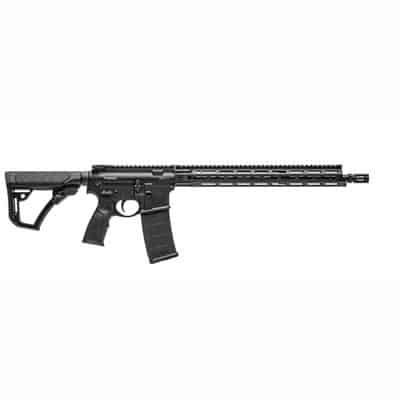
With durability, customization, reliability, and accuracy in mind, my top two choices for AR-15 rifles are the Daniel Defense DDM4V7 (overall best) and Springfield Armory Saint (value). These rifles hit the mark for durability and comfort – and they have exceeded my high expectations all around.
There is a personal relationship that develops between an AR-15 and its owner. I can personally attest to this, having built them with my bare hands. There is a bond that is created when you line up your shot and pull the trigger. A special bond is out there for you, too – even if you don’t think it exists.
Like any AR-15 that you haven’t custom-built, they have their downsides – affordability, lack of ambidextrous control, etc. – but as a base, they meet the requirements for best overall and best outstanding AR-15 rifles.
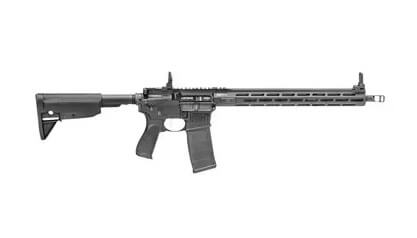
The Daniel Defense DDM4V7 and Springfield Armory Saint aren’t the only options out there, though. You can read on to find out the good, the bad, and my overall thoughts on some of the best AR-15s on the market today.
Welcome to the wide world of AR-15 rifles
There’s a perfect AR-15 for everyone. This guide will show you everything you need to know to find your perfect AR-15.
But, if you just want to know what to buy, get an AR-15 with these specs:
| Barrel length | 16” overall |
| Barrel twist rate | 1 in 7 or 1 in 8 |
| Gas system | Mid-length |
| Bolt carrier group | Phosphate or black nitride, MPI tested or MPI and HPT tested |
| Handguard | Free float or drop-in |
| Trigger | Mil-spec |
Keep reading to get a deep understanding of all the AR-15 jargon and specs, and also see my picks for the title of “Best AR-15.”
All these AR-15s were selected based on my hands-on experience shooting these rifles and working on them in the gunsmithing shop.
Here’s a quick look at the tippy-top AR-15 rifles. After that, there’s an insanely detailed guide to AR-15 specs. Then, remember to check out the reviews to see what makes each choice special.
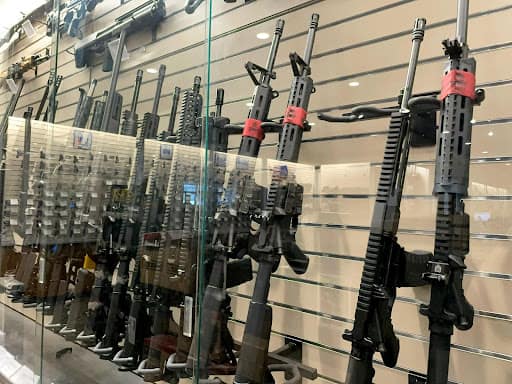
Table of Contents
Why get an AR-15 (And a brief history of the AR-15)
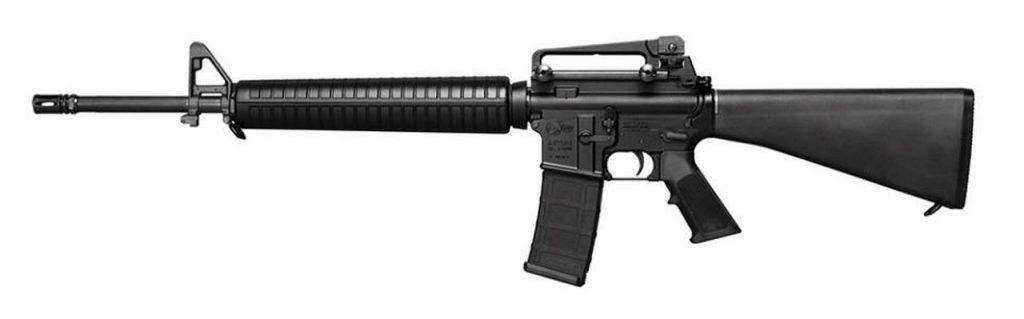
The AR-15 has gone through several stages of evolution. And today it stands as the most popular tactical and sporting rifle in the United States. The customizable modular design makes the AR 15 a bit like Legos but for adults.
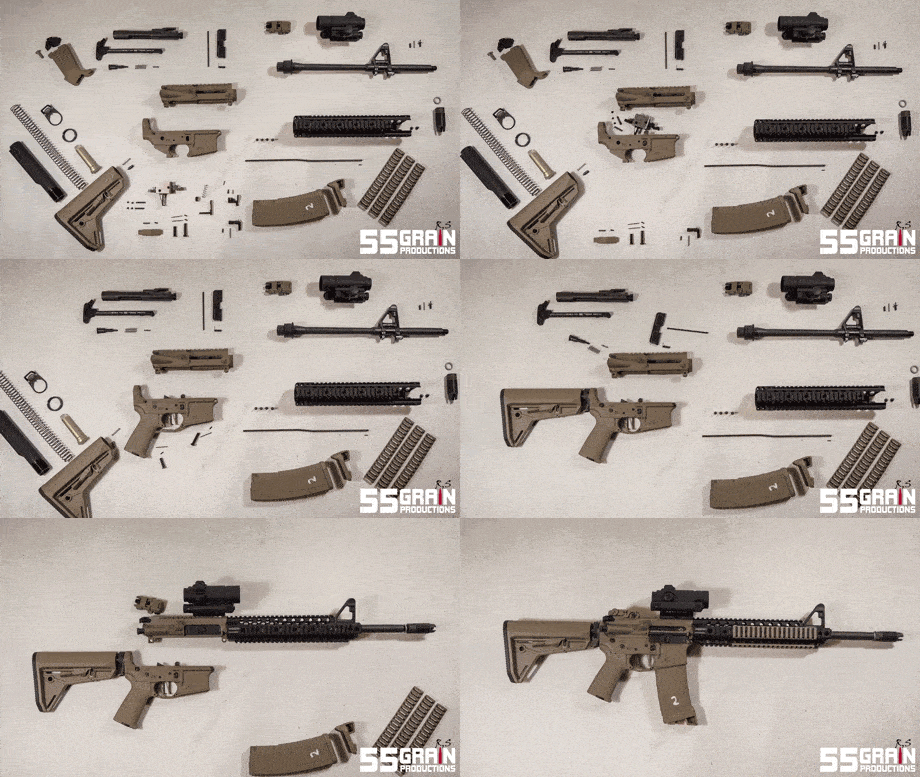
That’s what makes it such a great platform.
The modularity, aftermarket support, and shootability make it an ideal rifle for just about any context. The AR-15 can do everything from long-range precision to short-range competitive and tactical shooting. And it’s pretty good for backyard plinking, too.
Additionally, the AR-15 design has been around for a long time. So the performance and reliability have been fine-tuned and proven. However, it took a few years to get there.
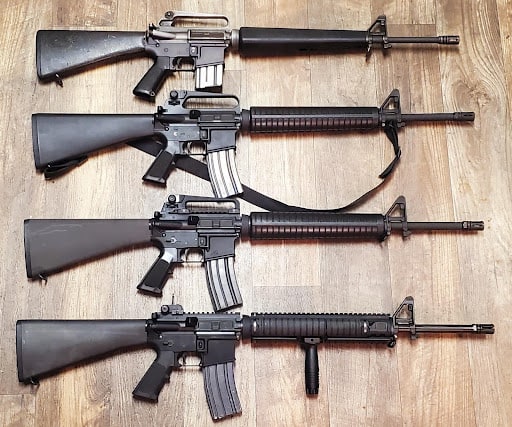
The AR 15 was originally designed in 1956 by Eugene Stoner, and manufactured by ArmaLite. Stoner first submitted the ArmaLite AR-10 for military trials in 1956. But the rifle was rejected. Eventually, ArmaLite sold the AR-10 and AR-15 designs to Colt.
Colt redesigned the rifles slightly for mass production. After redesigning the rifle, Colt rebranded the AR-15 and the M16. Ultimately, the military completely adopted the M16 in 1964.
While the civilian model is still labeled “AR-15,” the rifle sports the same reliability and simplicity that you’d get from its military counterpart. You just don’t get any full-auto or burst-fire operation from an AR-15.
Now that you’re sold on the platform (as if you weren’t already), here’s what all the configuration options mean.
AR -15 specs: What do they mean?
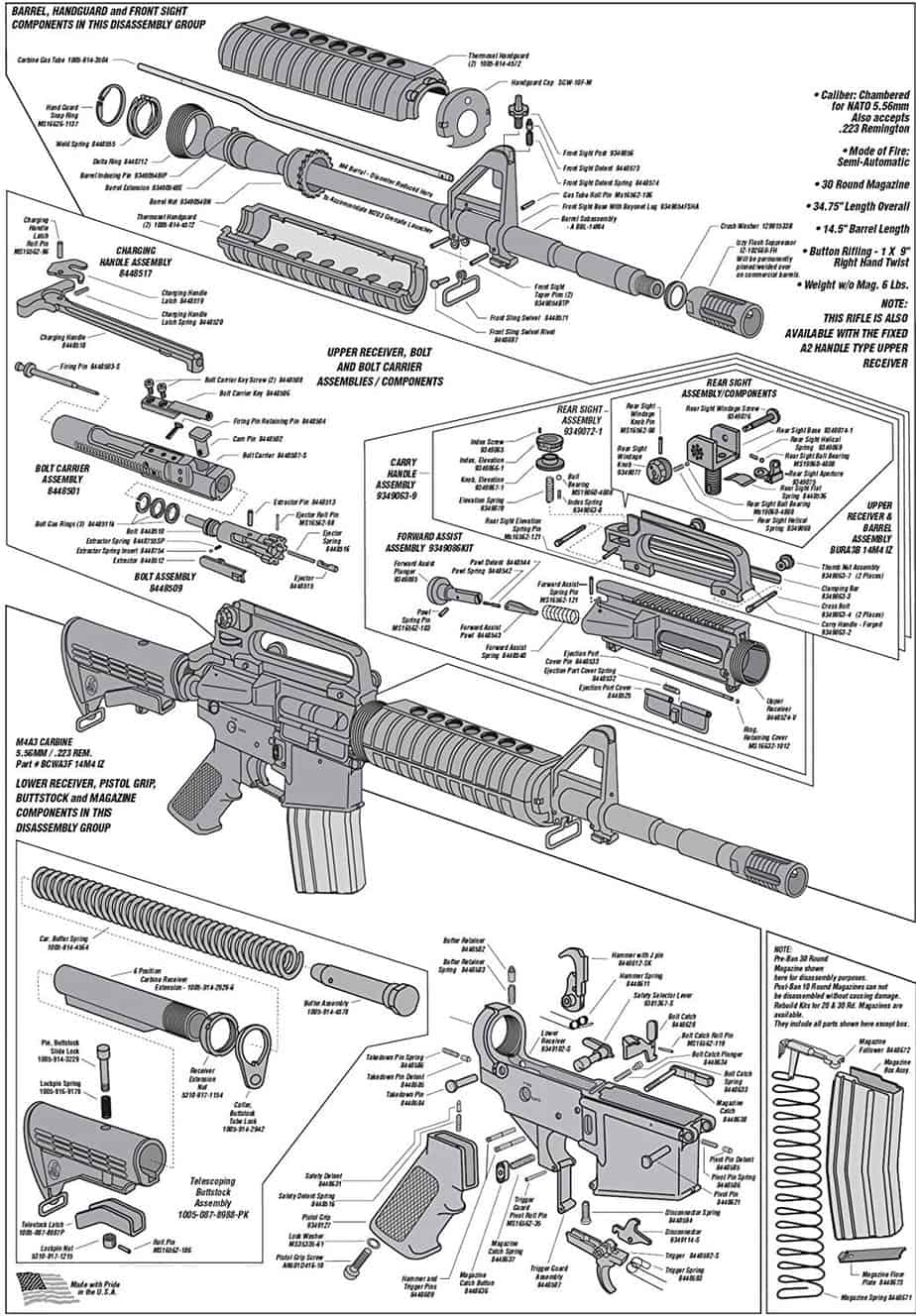
Almost every aspect of your AR-15 can be tweaked and adjusted to make it perform how you want. You can even add attachments to fit your primary context.
These are the specs you’ll see on the product pages and what they mean for your experience shooting the rifle.
Muzzle Devices
Muzzle devices can affect how your AR-15 recoils. And they can serve as suppressor mounts.
Muzzle brake
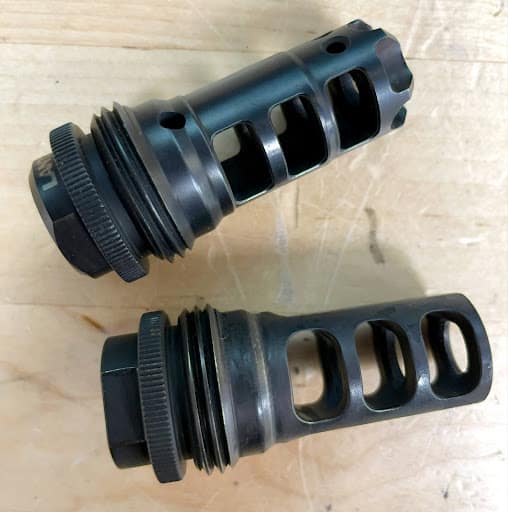
Muzzle brakes reduce felt recoil. The stronger the muzzle brake, the less the rifle will push against your shoulder when you fire your rifle.
However, they produce a lot of muzzle blast to the sides of your muzzle. Be mindful when using a muzzle brake on a firing line.
Compensator
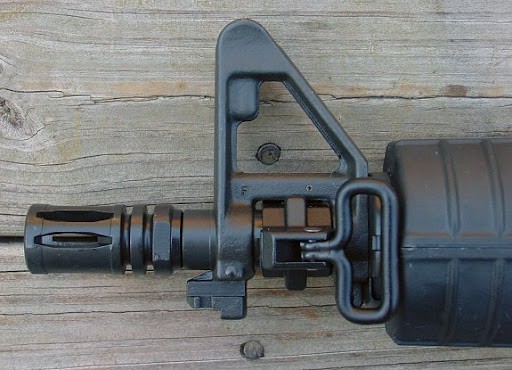
Compensators vent the muzzle blast upward to keep your rifle level during rapid fire. But most compensators do not reduce felt recoil. Some compensators offer some flash suppression.
However, they don’t reduce flash as much as this next muzzle device.
Flash Hider
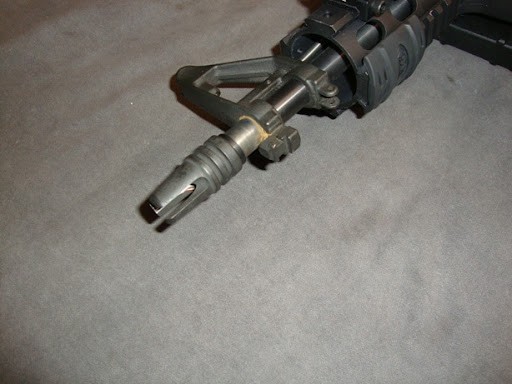
Flash hiders reduce the muzzle flash from the end of your rifle when you shoot. And some flash hiders have some compensation built into them.
Flash hiders are probably the most common muzzle device to use as a suppressor mount.
Barrels
The barrel is arguably the most important component in your rifle, since it has the most impact on precision and ballistics.
Length
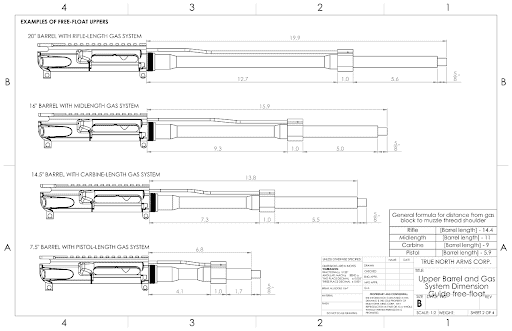
A longer barrel produces more muzzle velocity. That gives you better terminal ballistics at a longer range.
As a general rule, a barrel longer than 14.5 inches is best if you regularly shoot further than 300 yards for things such as hunting. And 16 to 20-inch barrels are common on long-range AR-15 rifles.
However, a shorter barrel can be precise enough for longer shots. Just be aware that shorter barrels will deliver less energy on distant targets.
Twist
The mil-spec AR-15 rate of twist is one full twist every seven inches (1 in 7 twist). This works well enough for most shooters.
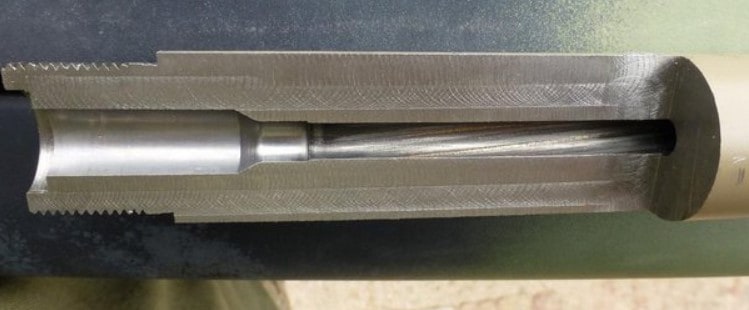
However, heavier bullets (62 and heavier) perform best from a barrel with a 1 in 7 twist. A barrel with a 1 in 8 rate of twist will work better if you usually shoot 55-grain rounds.
Don’t be alarmed if you usually shoot 55 grain bullets and the rifle you want has a 1 in 7 rate of twist.
It will work fine with 55-grain ammunition. It’s just not perfectly optimal, and it’s perfectly safe.
Steel
The most common barrel steels are 4140 chromoly vanadium steel and stainless steel (usually 416 or 416R stainless steel).
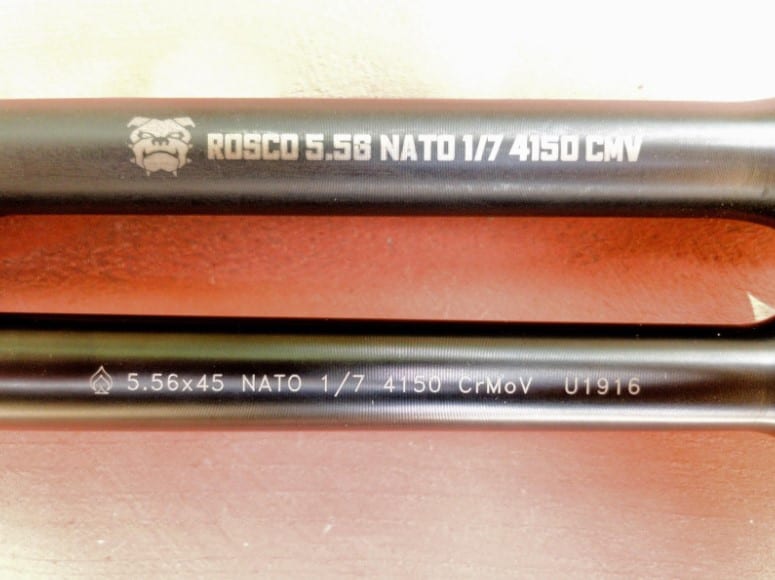
Chromoly vanadium steel barrels are usually chrome-lined or nitride-finished. They deliver good precision. And they last a long time.
They’re less likely to show a shift in point of impact as they wear. However, a stainless steel barrel will have a somewhat shorter lifespan than a chromoly vanadium barrel.
Carbon steel and stainless steel barrels will last for thousands, most likely tens of thousands of rounds, though. Most shooters will get their money’s worth from any of the major barrel steels.
AR-15 Gas Systems
Gas system length determines how much gas pressure gets redirected into the AR-15 action to drive the bolt carrier.
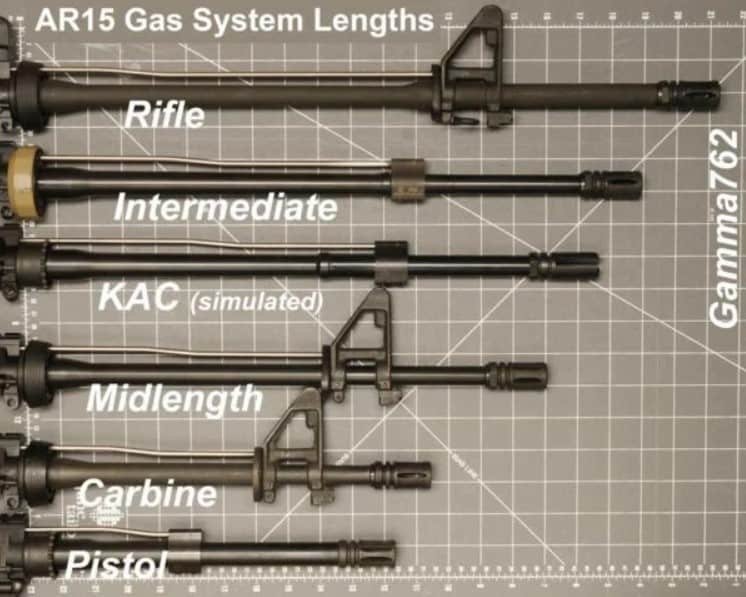
Carbine
The carbine length gas system is one of the shortest. The shorter gas system pushes a lot of pressure into the action. Carbine gas systems are very reliable because there’s enough pressure to push the bolt through carbon buildup and debris.
However, the higher pressure produces a slightly sharper recoil impulse. A carbine gas system can also cause more wear on the internal parts of your AR-15. They also tend to give a lot of gas blowback during the suppressed fire.
Mid-length
A mid-length gas system is the middle of the road gas system.
Mid-length gas systems deliver good reliability, with a slightly softer recoil than a carbine gas system. With a mid-length gas system, you’ll also get less gas in your face if you use a suppressor.
The mid-length gas system is the best option for most shooters. Fortunately, most AR-15 manufacturers use this gas system.
Rifle
The rifle-length gas system produces the softest recoil.
However, they only fit on longer barrels. Typically, you’ll find rifle-length gas systems on 18-inch and longer barrels.
Also, AR-15s with rifle-length gas systems can require a bit more maintenance, since the gas pressure is the lowest. It’s usually not an issue if you keep your rifle clean and oiled, though.
Gas piston
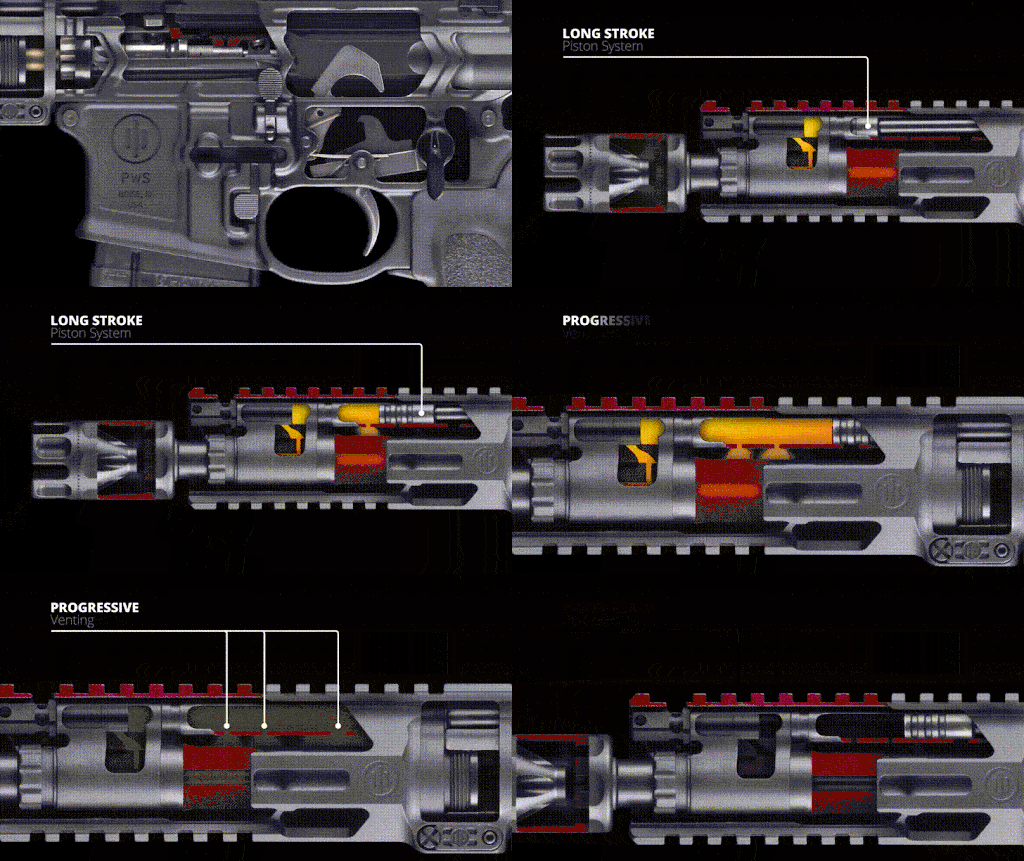
Gas piston systems vent gas out the front end of the gun, rather than directly into the action. They’re designed to reduce carbon fouling and maintenance requirements, without sacrificing reliability. They also work great on suppressed rifles, since almost no gas gets vented into your face.
The only drawback is that gas piston systems usually give a bit more felt recoil than a direct impingement gas system.
Handguards (M-LOK, KeyMod, Picatinny, and all the rest)
There are two aspects to a handguard: how it mounts on the rifle and the accessory rail.
Free Float handguards
Free float handguards mount directly to the barrel nut and don’t contact the barrel.
This improves precision because the handguard allows the barrel to flex naturally. In short, a free-float handguard enables your rifle to be as precise as it can be.
Drop-in handguards
Drop-in handguards fit onto a mil-spec barrel nut with a delta ring. At the other end, drop-in handguards plug into a fixed front sight gas block. These handguards are quite easy to install.
However, the contact with the barrel near the muzzle can make your rifle a tad less precise. It’s not a huge difference in precision, though. You probably won’t notice the difference unless you’re bench rest shooting.
M-LOK rails
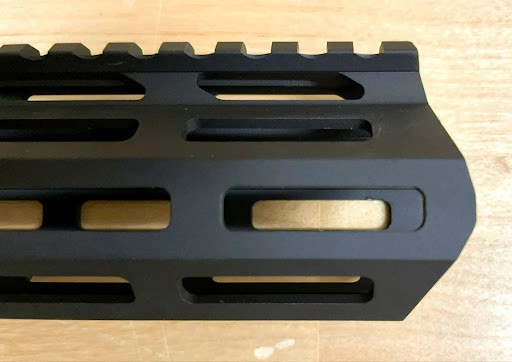
M-LOK is by far the most popular attachment system for AR-15 handguards. M-LOK is relatively simple to use. And there are a ton of M-LOK accessories on the market.
M-LOK is also the most durable attachment system, aside from Picatinny.
KeyMod rails
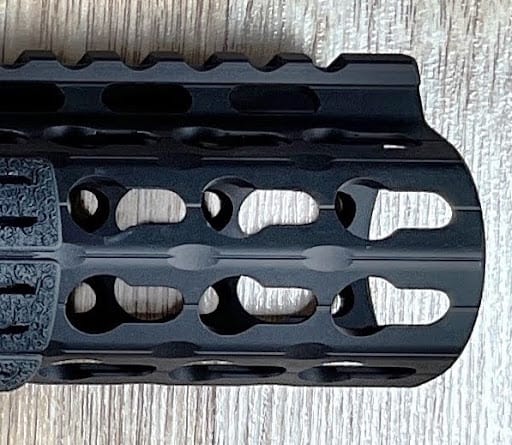
KeyMod is the direct competitor to M-LOK. It’s not as popular. But it is slightly more user-friendly.
M-LOK did beat KeyMod in the military durability tests. But it’s still durable. Just not as durable as M-LOK.
Picatinny rails

Picatinny is the original rail attachment system. And it’s pretty bombproof. It’s also really easy to use.
Unfortunately, it’s rather bulky. And Picatinny rails are often called a “cheese grater.” They can be a bit rough on your hands if you have to grip a Picatinny rail. Consider using rail covers if you have a Picatinny rail.
Bolt Carrier Groups (BCG)
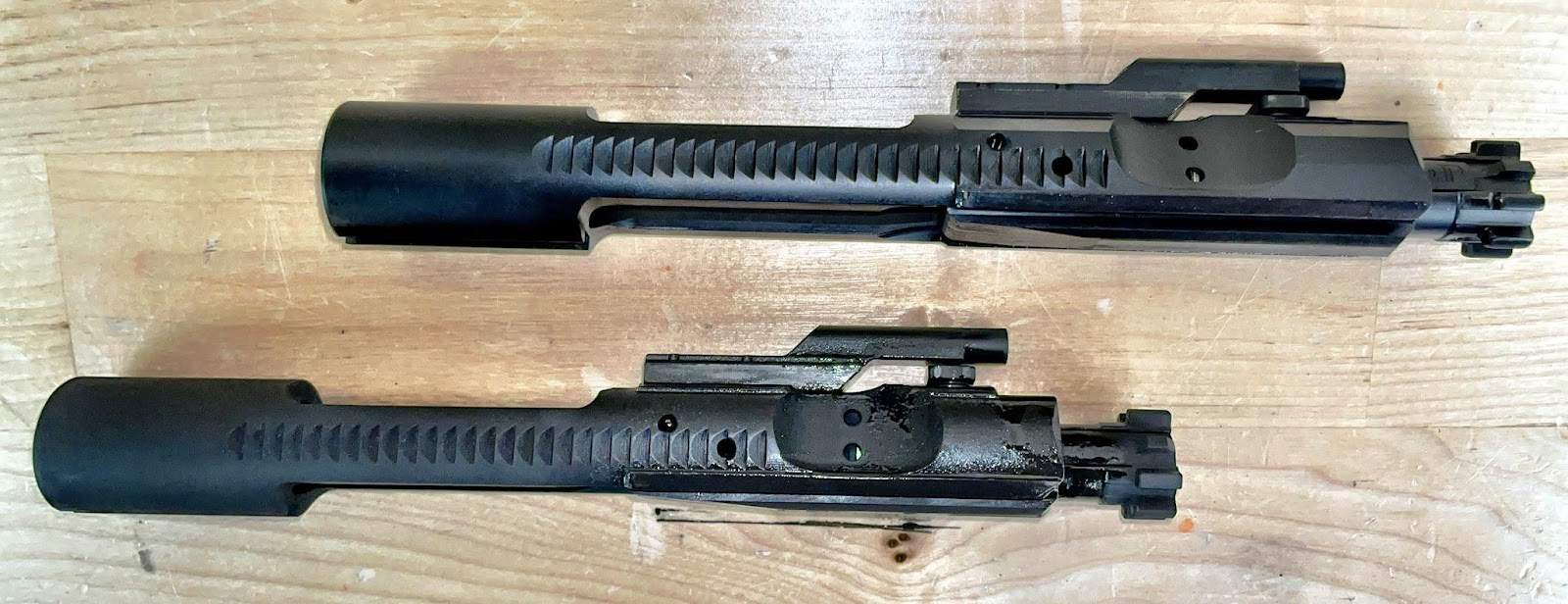
Some argue that the bolt carrier group is the most important part of an AR-15 because a good bolt carrier group is what makes your rifle reliable. You can decide if you think the bolt carrier group is more important than the barrel. Then get a good bolt carrier group, no matter what.
Chrome Phosphate
These bolt carriers have a phosphate coating on the outside and a chrome lining on the inside.
Chrome phosphate is the mil-spec finish. It’s durable. But it requires more lubrication than the other finishes. Carbon sticks to the phosphate finish more than some of the other bolt carrier finishes on the market.
Nitride
The most common alternative to the chrome phosphate finish. It’s smoother and harder than a phosphate finish. Therefore, a nitride finish will work with less lubrication (you should still oil your rifle, though) and resists carbon buildup better than a phosphate finish.
DLC
DLC (Diamond Like Coating) is the smoothest and hardest finish for a bolt carrier group. A DLC finish can run with very little lubrication. And most carbon deposits will be wiped off with a rag. Unfortunately, DLC-finished bolt carrier groups are also the most expensive.
Triggers
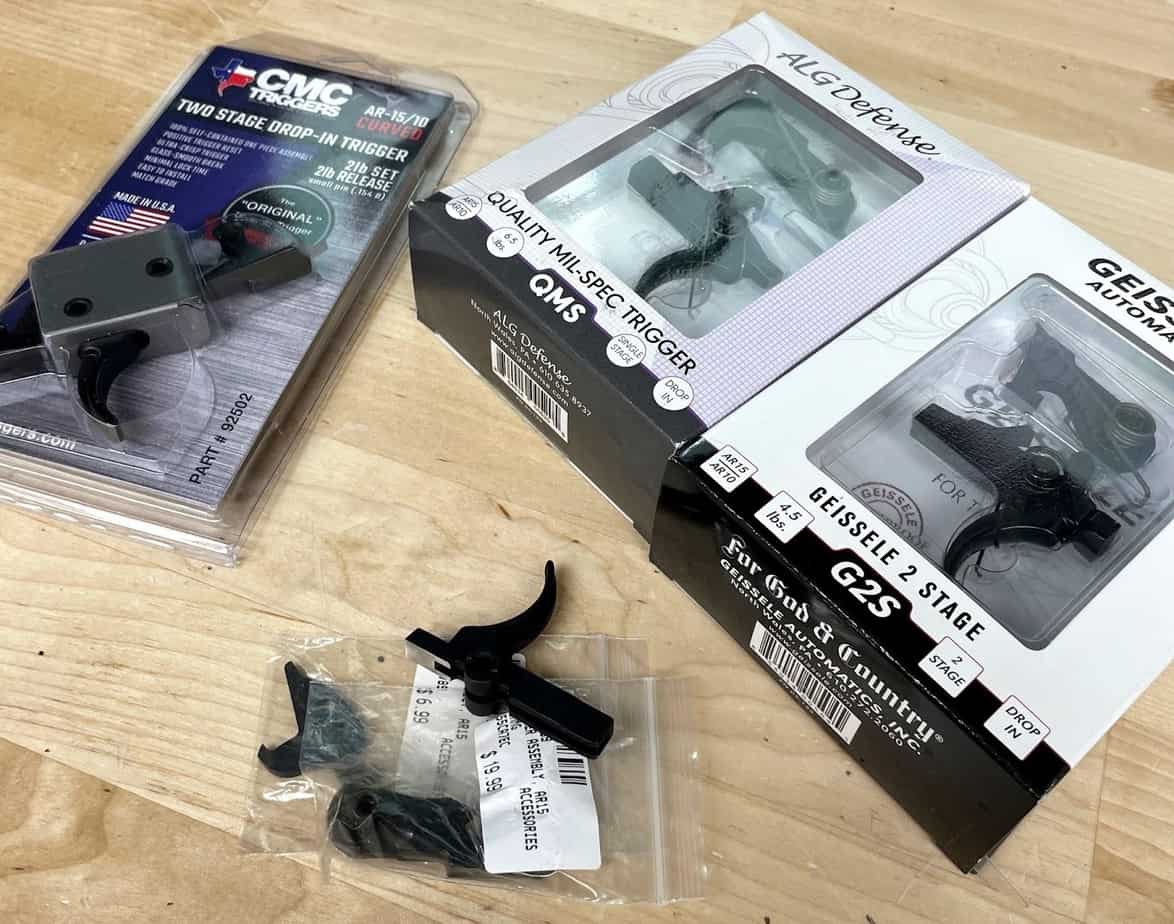
AR-15 triggers come in two broad categories. There are nuances. But most AR-15 rifles come with one of these two trigger types.
Mil-spec
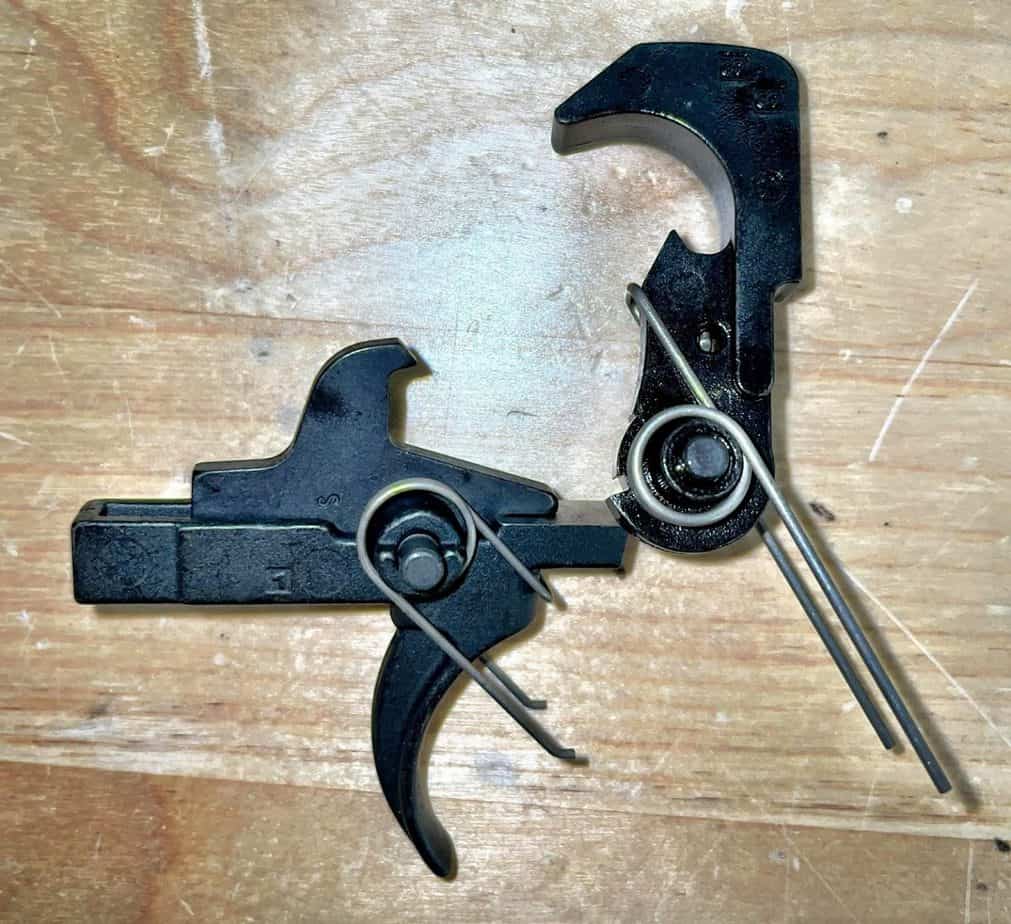
A mil-spec trigger simply uses the original three-piece trigger design. It’s common for manufacturers to use some sort of mil-spec trigger in their rifles.
Mil-spec triggers are designed to maximize reliability, which usually comes with a heavier, grittier trigger press.
However, there are variations of the mil-spec trigger that make the trigger press shorter, smoother, and make the break cleaner.
Drop-in
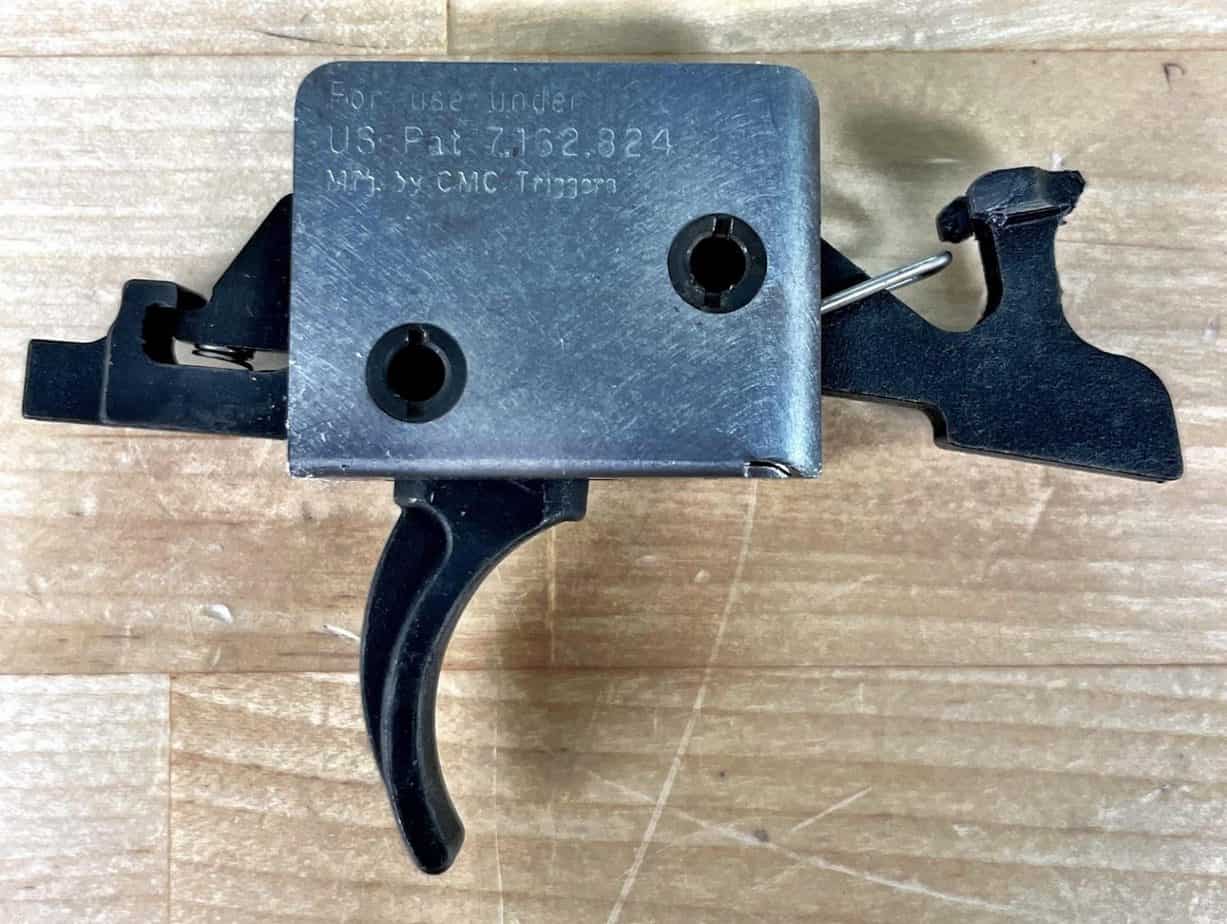
Drop-in triggers are a single, self-contained unit that slides into your lower receiver, without any assembly.
Drop-in triggers almost always have a better trigger press than a mil-spec trigger. The downside is that drop-in triggers require anti-walk pins. And it’s very difficult to rebuild a drop-in trigger if a part wears out.
Buffers and receiver extensions
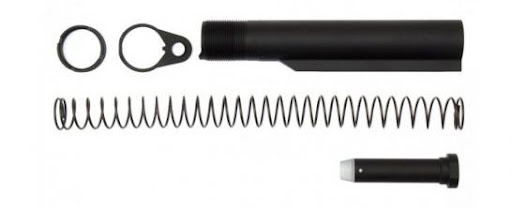
The lower receiver extension and buffer control the rearward movement of the bolt carrier group and help mitigate recoil.
Carbine buffer tubes and buffers
The carbine buffer system is the most common. It uses the shortest lower receiver extension, buffer, and spring.
You can use a heavier buffer if you find that the gas system in your rifle is delivering more pressure than you want.
Rifle buffer tubes and buffers
The rifle buffer system is the longest buffer system. Most adjustable carbine stocks will not fit a rifle-length receiver extension.
However, a rifle buffer system delivers the smoothest recoil impulse, because it has the longest spring. So the bolt carrier group slows down more gradually, which helps mitigate the sharp kick from the bolt hitting the back of the buffer tube.
VLTOR A5 System
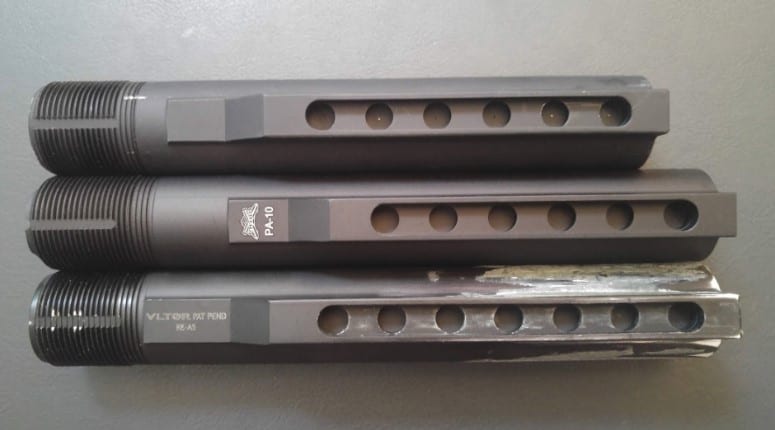
The VLTOR A5 System is a compromise between a carbine length and rifle length buffer system. The VLTOR A5 receiver extension and buffer are slightly longer than a carbine receiver extension. And the VLTOR A5 system uses a rifle-length buffer spring.
Manufacturers rarely use the VLTOR A5 system on their rifles. However, it’s a solid upgrade that gives you a smoother recoil impulse than a carbine buffer system and that’s compatible with standard carbine stocks.
Furniture
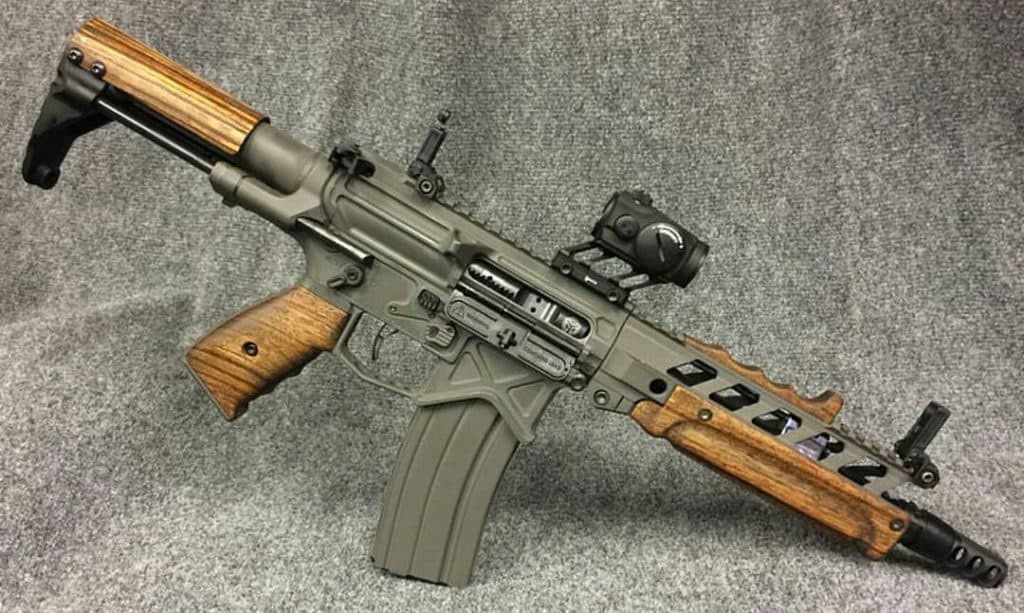
On most rifles, the furniture is the stock and pistol grip. Most manufacturers use a proprietary handguard, and then simply purchase the furniture from MAGPUL, B5 Systems, or another manufacturer.
Most modern pistol grips and stocks are comfortable and ergonomic. Watch out for the “A2 pistol” grip. It’s the original mil-spec pistol grip. And it’s uncomfortable for a lot of shooters.
Controls
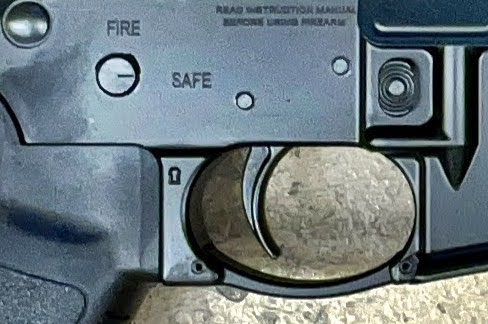
When they say “controls,” most manufacturers are talking about the AR-15 safety selector, the magazine release, and the bolt catch. Some manufacturers also consider the charging handle to be one of the controls.
Standard
“Standard” doesn’t always mean mil-spec, though that’s often the case. Usually, standard controls are just controls that have no features for ambidextrous operation.
It should be noted that an ambidextrous safety selector is increasingly considered a “standard” control since it’s useful for both right and left-handed shooters.
Ambidextrous
Ambidextrous controls have some sort of design enhancements that enable the shooter to access the controls from both sides of the rifle.
In principle, ambidextrous controls are a good idea.
However, not all ambidextrous controls are well executed. If a manufacturer specifies ambidextrous controls, zoom in on the lower receiver and get a look at them, so you can see if they’ll work for you.
Enhanced
There’s a wide variety of “enhanced” controls. Every manufacturer has their own design.
Some of them are good. Some of them are not so good.
Usually, though, enhanced controls amount to some sort of extended magazine release, a larger bolt catch paddle, and ambidextrous operation features.
Quality control
Many aspects of quality control are left unstated because they tend to be overly technical and not very exciting. However, you’ll often see two key acronyms in product descriptions, which are related to quality control: MPI and HPT.
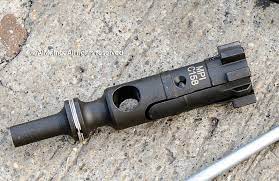
These terms apply to the bolt carrier group (BCG) and barrel.
In most cases, the type of quality control inspection will be stamped on the barrel. Most bolt carrier groups have the quality control procedures listed in the product description.
Magnetic Particle Inspection (MPI)
Magnetic Particle Inspection (MPI) is a relatively standard quality control process, where a magnetic field and iron particles are used to inspect bolt carrier groups and barrels for microscopic cracks and imperfections.MPI is the most common quality control process because it’s efficient and affordable. It also does a good job of weeding out defective parts.
High-Pressure Testing (HPT)
Most of the time, High-Pressure Testing (HPT) is just a technical term for test firing.
The standard HPT procedure is to fire a high-pressure military round through the rifle once it’s been assembled and MPI tested. Most manufacturers use an M855 or M193 round for HPT.
It’s a good quality assurance step to have in place. HPT verifies that the rifle functions properly. However, it’s time and resource intensive.
There’s nothing wrong with AR-15 rifles that have only been MPI tested. Many quality AR-15 rifles are just MPI tested.
If you’re willing to pay a little more, a rifle that’s checked with both MPI and HPT can offer a little more peace of mind.
However, solid quality control does not replace function testing your rifle yourself. Even the most stringent quality control is imperfect. You should always shoot a new rifle and make sure it works.
AR-15 Manufacturers
There are a ton of AR-15 manufacturers out there. Too many to list here.
What I can do is list the manufacturers that seem to produce the best rifles, based on my experience shooting AR-15 rifles and working on them in the gunsmithing shop.
Before I get into that list though, the relationship between quality and price isn’t quite as straightforward as you might think…
It’s often the case that budget or value AR-15 rifles perform just as well as more expensive rifles (to a point. If the price seems too good to be true, it probably is). The AR-15 system has been thoroughly developed and tuned to the point where even the most affordable AR-15 can be a quality piece of hardware.
However, a higher price gets you better manufacturing processes and quality control.
The more expensive AR-15 rifles usually show their quality in their lifespan and are less likely to need warranty work.
Most people don’t shoot enough or abuse their AR-15s enough to really take advantage of the benefits you get from a more expensive rifle, though.
Get the AR-15 you can afford. You’ll be happier with the rifle you can buy than with the rifle you can’t. With that, this is a brief rundown of the AR-15 manufacturers that deliver the best quality for your dollar.
Bravo Company Manufacturing

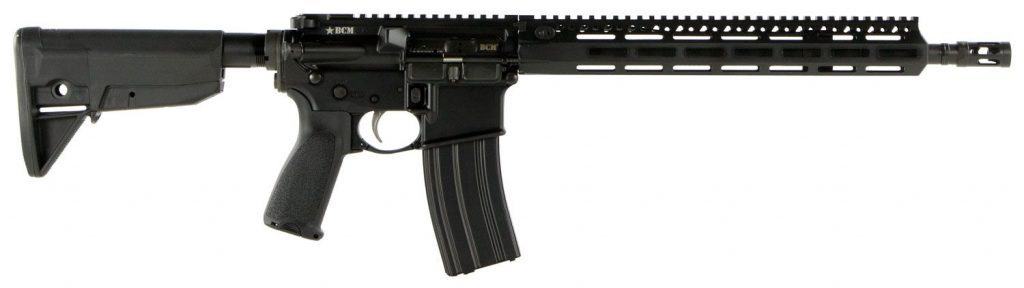
If I left Bravo Company Manufacturing (BCM) off this list, somebody would probably come after me. And that’s fair because they’re one of the most revered AR-15 manufacturers in the U.S. (maybe the world).
BCM is known for thorough quality control and workhorse rifles that come at reasonable prices. A BCM rifle might be the best AR-15 for the money.
They also have a pretty hearty dedication to the original AR-15 design. Almost all the components in a BCM rifle are built to mil-spec (phosphate finishes, mil-spec trigger, etc.).If you get a BCM, you’re getting a no-nonsense rifle that will run reliably for a long time.
Daniel Defense

Daniel Defense is another company that produces bombproof rifles.
Similar to BCM, Daniel Defense takes a no-frills approach to building AR-15s. And they stick to mil-spec in most areas.
Daniel Defense rifles are a bit on the pricey side. But they’re incredibly well-made.
Overall, Daniel Defense rifles are known for being rugged, reliable, and pleasant to shoot.
Geissele Automatics

Geissele Automatics is mostly known for its triggers. But they also make excellent rifles. Geissele handguards are incredibly durable and well-designed.
And Geissele controls offer meaningful improvements over mil-spec controls, without being bulky or gimmicky (the Geissele Airborne Charging Handle is considered one of the best ever).
Geissele rifles are also known for being well-gassed and pleasant to shoot with a suppressor.
Springfield Armory

This one usually surprises people, because Springfield Armory isn’t really known for their AR-15 rifles.
And they really only produce different variations of the same rifle: the Springfield Armory Saint (more on this one in the review below).
The AR-15 they make has been a good one, though. It’s impressively well-built for such an affordable rifle. Springfield Armory may not have the reputation and cool factor that some of the other manufacturers do. However, their first attempt at producing an AR-15 seems to have been a success.
Ruger

Ruger is another one that tends to surprise people. And, again, that’s because they only really make one AR-15: the Ruger AR556.
However, so far, the Ruger AR556 has been a great rifle. It’s an affordable rifle that comes with a few nice features. And it works.
JP Enterprises

JP Enterprises is known for its competition rifles. And they make great competition rifles. They also offer a lot of sensible upgrades that fit on just about any AR-15. But those upgrades come standard on a JP Enterprises rifle.
JP Enterprises rifles are one of the few high-end rifles that deliver really noticeable performance improvements in terms of ballistics and precision.
If you suck at shooting, you’ll still suck. However, it will be more fun to suck at shooting if you’re shooting a JP Enterprises rifle.
Other Quality AR-15 Manufacturers
Those are some of the key players in the AR-15 market. But, wait, there’s more…
These are some other AR-15 manufacturers that make excellent rifles:
- Lewis Machine & Tool (LMT)
- Yankee Hill Machine
- Rainier Arms
- Stag Arms
- Larue Tactical
- Sig Sauer
- Palmetto State Armory (PSA)
We could go on. The AR-15 manufacturers we’ve listed here should give you plenty of options, though.
Choose whatever manufacturer has a rifle that suits your needs.
12 Best AR-15 Rifles and Carbines
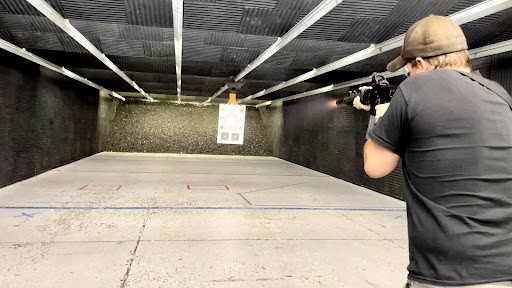
These are the AR-15 rifles that I’ve found to work really well. They come with all the features you’d expect from a modern AR-15. And we rarely see them in the gunsmithing shop for problems related to the manufacturing quality.
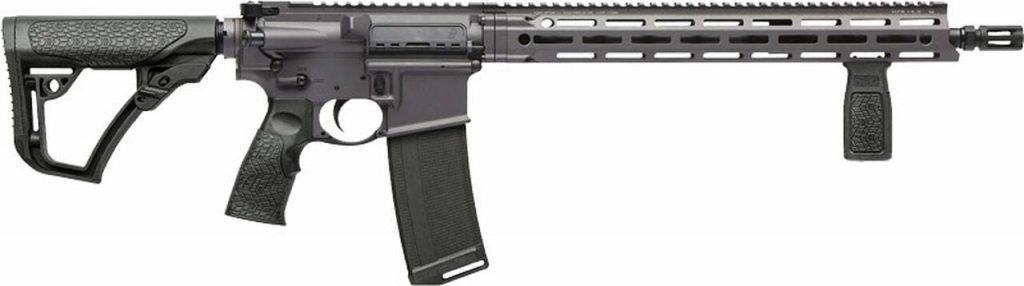
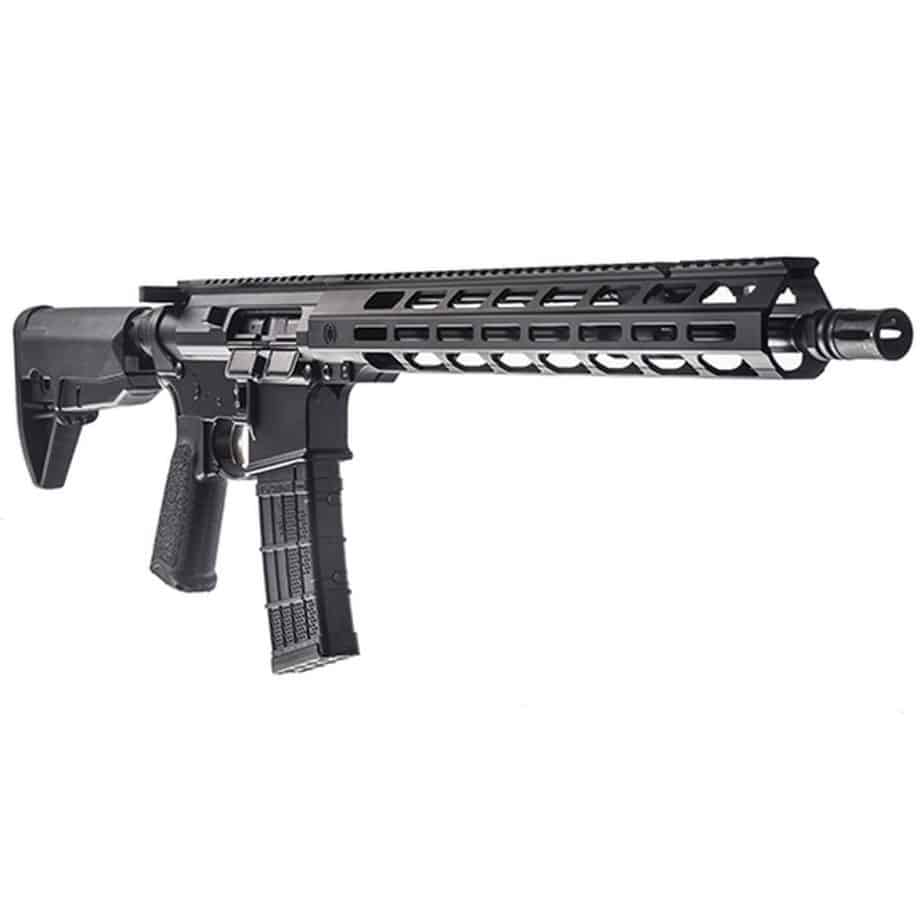
1. Daniel Defense DDM4V7
“The Daniel Defense DDM4V7 is easily one of the most durable, long-lasting AR-15 rifles you can get.“
Key Specs:
- Cartridge:
5.56 mm NATO
- Finish:
Matte Black
- Muzzle:
Flash Suppressor
- Stock Material:
Polymer
- Weight:
6.2 lbs
Pros:
- Incredibly durable cold hammer forged barrel.
- Robust handguard mounting system.
- Super comfortable furniture
Cons:
- Might be too expensive for some budgets.
- Totally mil-spec trigger.
- Rubber overmolding on furniture can eventually delaminate.
Here’s another fun story from the range:
We had a Daniel Defense MK18 in our rental inventory for about seven years. The gun lasted for literally hundreds of thousands of rounds. It probably would have kept going if not for some bad ammo that damaged the upper and lower receiver.
The Daniel Defense DDM4V7 is just the full-length variant of the MK18 (minus the quad rail). Given that the DDM4V7 has a longer barrel and a longer gas system, it will likely last just as long as an MK18, maybe longer.
Also, the DDM4V7 is much more pleasant to shoot than the MK18. The longer barrel and gas system produces a less felt recoil. There’s also none of the muzzle blast right in your face.
Also, even though the DDM4V7 doesn’t have the quad rail, it still mounts using the same bombproof barrel nut assembly.
If there were a complaint to make about the DDM4V7, it’s that the rubber over-molding on the grip and stock eventually delaminates. It takes an impressively long time. It does happen after a while, though. Still, this is a tough AR-15 to beat, even at the somewhat higher price point.
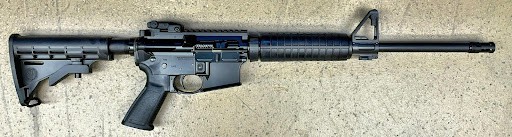
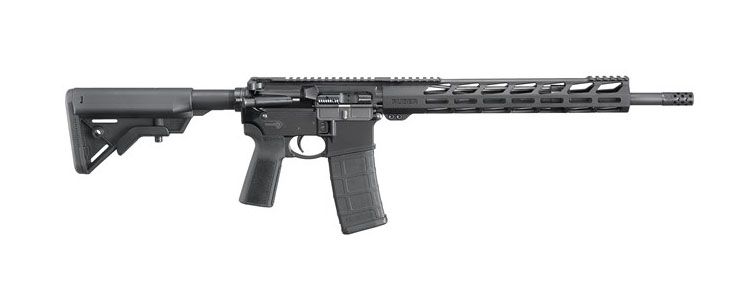
2. Ruger AR556
“The Ruger AR-556 is an affordable rifle that punches above its price point.“
Key Specs:
- Caliber:
5.56 NATO
- Barrel Length:
16.1″
- Finish:
Black Hard Coat Anodized
Pros:
- Excellent 2-stage trigger group.
- Flash suppressor is impressively effective.
- B5 Systems furniture is some of the best on the market.
Cons:
- Free float rail has no full-length picatinny rail.
- Flash suppressor offers no recoil reduction.
- No diagonal M-LOK slots.